
 Русский
 Українська
 Հայերեն
 ქართული
 Қазақша
 Español
 Français
 Deutsch
 Italiano
 فارسی
فارسی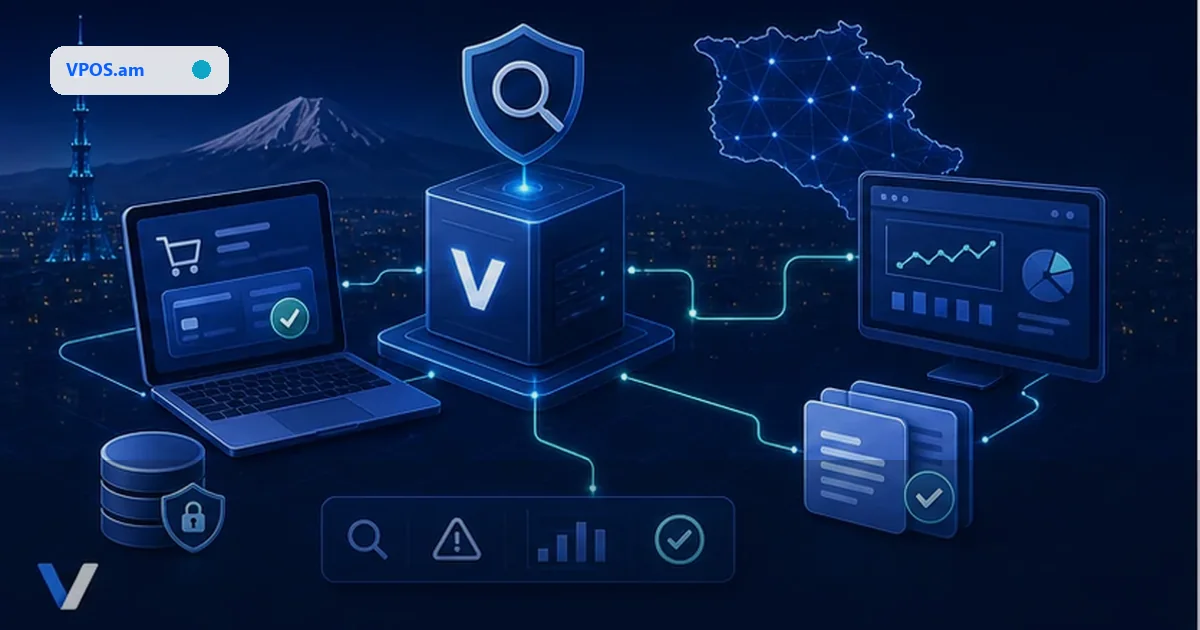
Article focus
Logs should answer support questions
A payment timeline must explain what happened without requiring a code investigation.
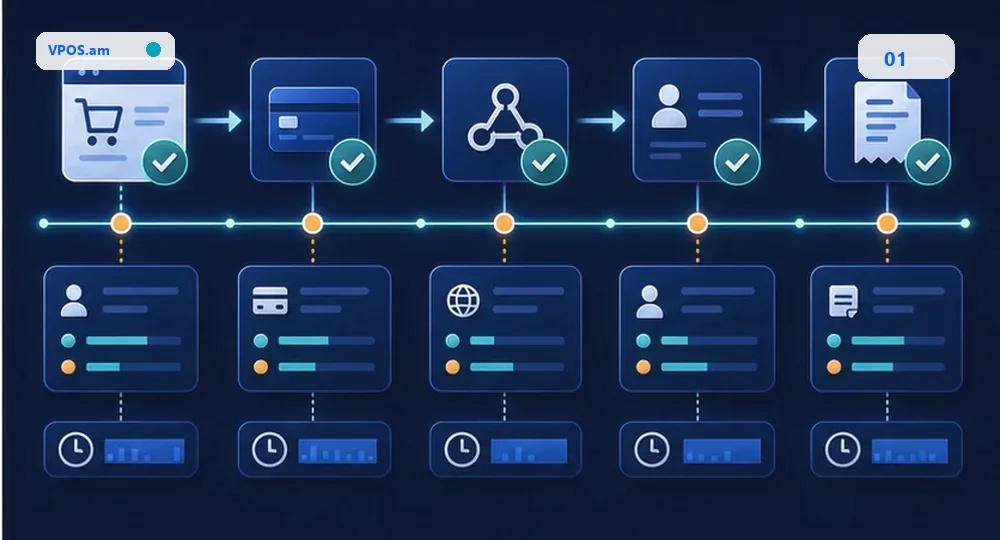
When a customer says that money was charged but the order did not change, support needs one traceable timeline. Store the order id, payment id, provider reference, normalized status and downstream delivery results together.
A correlation id that travels through the website, payment service, webhook handler and CRM/ERP connector makes cross-system investigation faster and reduces manual guessing.
- Store related identifiers on every event.
- Record timestamps and status transitions.
- Keep external delivery outcomes visible.
Keep sensitive data out of ordinary logs
Logging supports operations but must not become a sensitive-data archive.
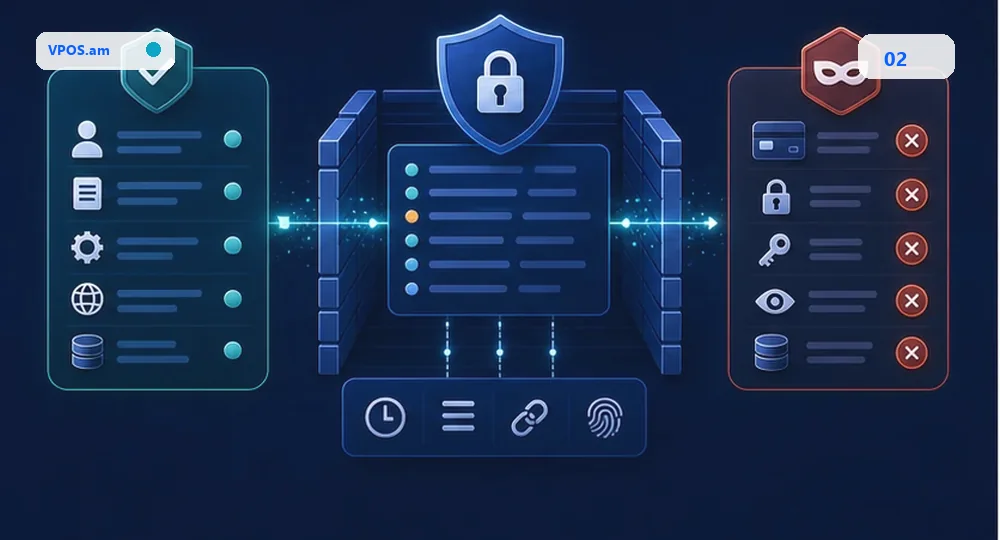
Logs should not store full card data or unnecessary personal data. Use normalized operational fields for everyday support and restrict raw provider payloads to authorized technical investigation.
Mask values, apply access controls and record manual views or corrections. This protects customers while retaining the evidence needed to resolve an incident.
- Mask sensitive values.
- Use least-privilege access.
- Audit manual access and changes.
Record successful events as well as failures
A payment audit is incomplete when it contains only errors.
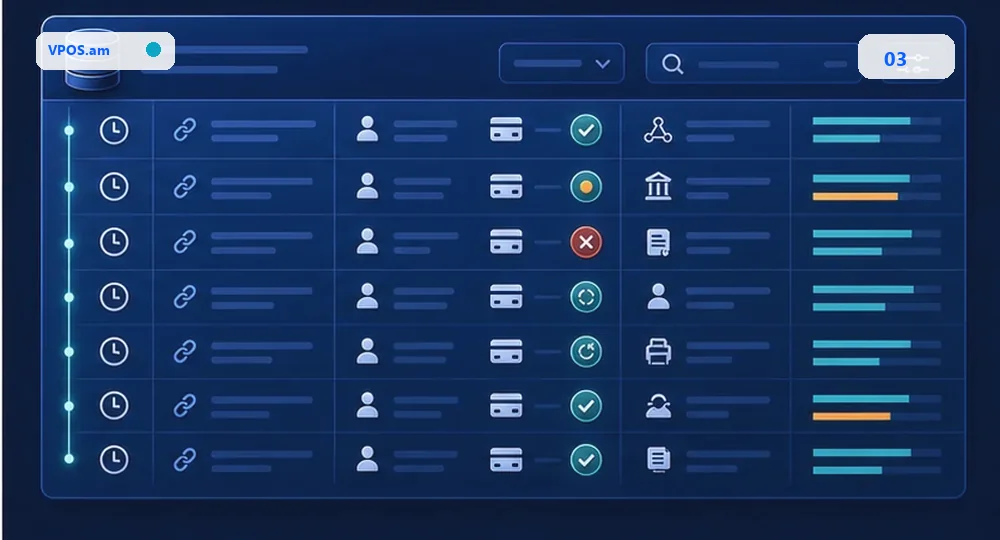
Successful status transitions show that an order reached CRM, ERP or a fiscal queue as expected. Without them, a support team cannot determine whether a missing record was never sent or merely failed later.
Log invalid transitions too. A late pending event should not change a paid order, but it is valuable engineering evidence that an old provider event was received.
- Log creation and verification.
- Log external deliveries.
- Log retries and rejected transitions.
FAQ
Should raw provider responses be stored?
They can be useful for investigation, but access should be restricted and sensitive fields masked.
What is a correlation id?
It is an identifier used to find one payment flow across logs and connected systems.
Is logging errors enough?
No. Payment investigations also require successful events and downstream delivery history.
Sources and documentation
- VPOS.am API docsAPI and payment lifecycle contract
- Webhooks technical contractDelivery, signature and idempotency boundaries
- VPOS.am securityPublic security and access principles