

 Русский
 Українська
 Հայերեն
 ქართული
 Қазақша
 Español
 Français
 Deutsch
 Italiano
 فارسی
فارسی
Article focus
Payment cost has several layers
Acquiring terms and engineering work solve different parts of the launch.
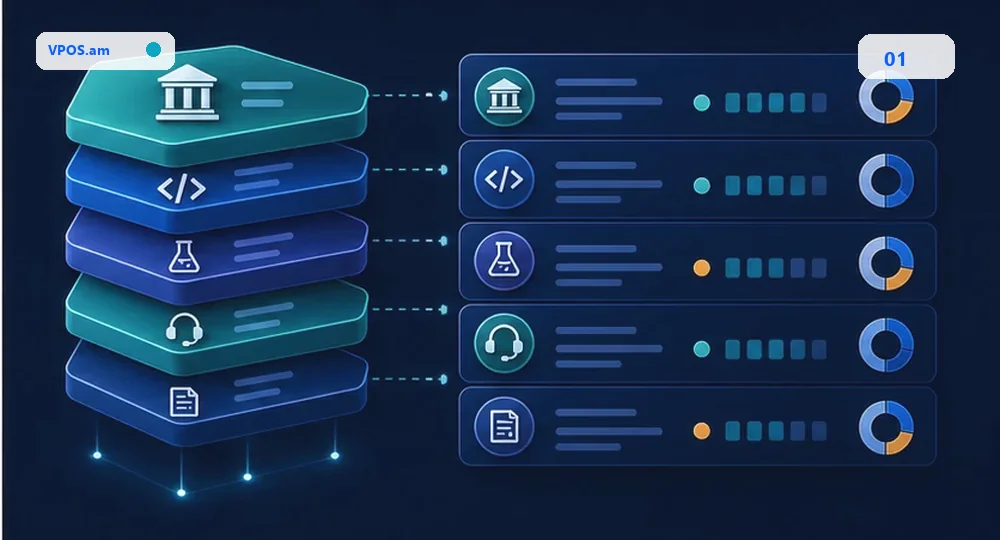
A payment budget can include provider commission and commercial terms, but it also includes the work needed to connect checkout, backend verification, order statuses, CRM or ERP and operational monitoring.
A ready-made CMS module can reduce initial effort, yet it does not automatically cover custom order states, refunds, fiscal workflows, logs or a future provider change. Estimate these requirements explicitly.
- Separate provider costs from implementation work.
- Budget verification and operational setup.
- Include testing and support ownership.
Hidden cost appears at the boundaries
The expensive failures are usually duplicate, pending or mismatched payments.
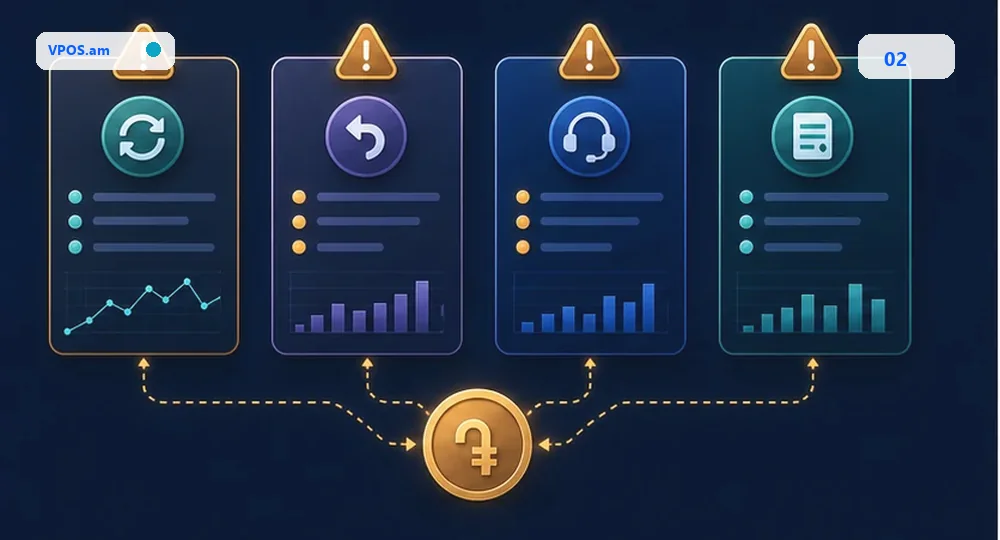
Costs rise when payment results do not reach the order system reliably and staff must reconcile them manually. Pending statuses, duplicate callbacks, partial refunds and exception handling need design work before launch, not after an incident.
The rate of operational intervention is often a more useful planning metric than the cheapest initial implementation. A small reliable pilot can be expanded without recreating the payment model later.
- Model pending and failed states.
- Define refund and reconciliation flow.
- Avoid manual status changes without an audit trail.
Get a scoped estimate from a payment map
A credible estimate begins with a clear description of the current business flow.
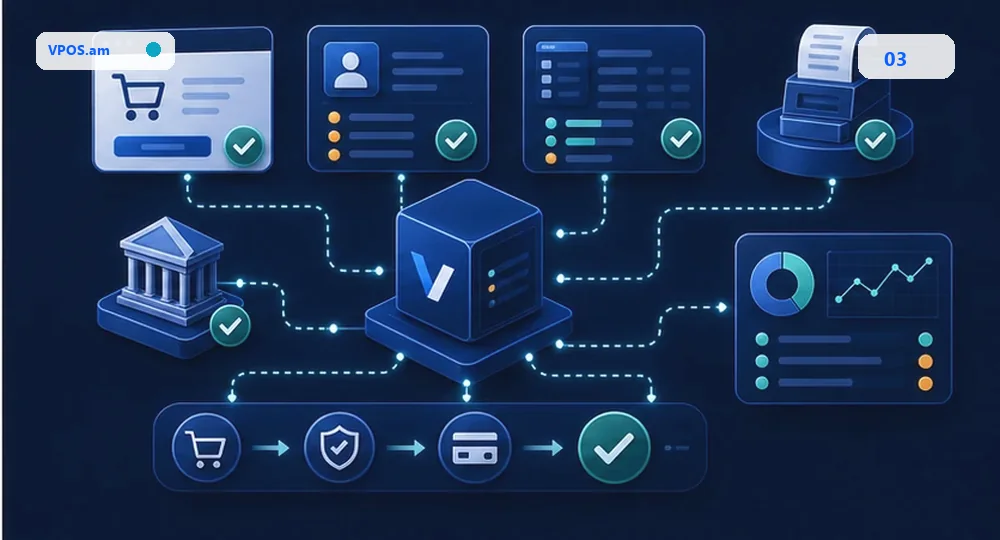
Document the website platform, expected payment methods, commercial flow, connected systems and required launch date. Identify whether the business needs a hosted checkout, payment links, a custom API integration or several channels.
Then separate a minimum pilot from later phases such as CRM automation, fiscal workflows, second-provider support and advanced reporting. This makes both cost and delivery risk easier to manage.
- Define a minimum launch scope.
- List deferred operational capabilities.
- Keep assumptions and provider conditions dated.
FAQ
Is a ready-made plugin always the cheapest option?
It can reduce initial work, but the full cost depends on reliability, status handling, refunds and connected business systems.
What affects the budget most?
Custom business logic, CRM/ERP or fiscal integration, provider requirements, testing depth and ongoing operations are key factors.
Can a business start with a minimal pilot?
Yes, when the pilot still includes server-side verification, controlled statuses and an observable payment record.
Sources and documentation
- VPOS.am API docsAPI and payment lifecycle contract
- Webhooks technical contractDelivery, signature and idempotency boundaries
- VPOS.am securityPublic security and access principles