
 Русский
 Українська
 Հայերեն
 ქართული
 Қазақша
 Español
 Français
 Deutsch
 Italiano
 فارسی
فارسی
Article focus
Starting point: make purchase rules clear before payment
Website review does not start with API: the customer and provider need to see what is sold, its price and how cancellation or refund works.
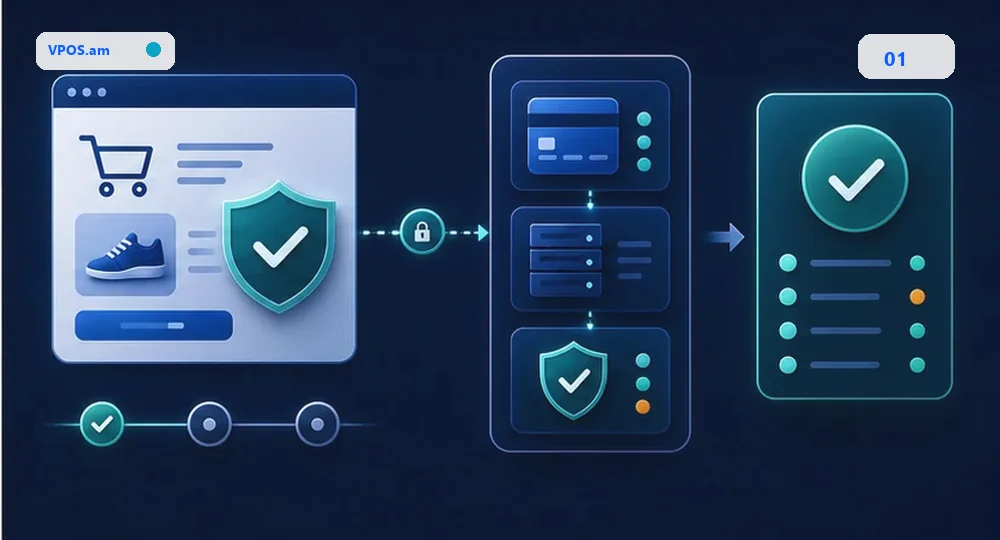
This case first completes public information: products or services, prices, sales terms, delivery or service conditions, contacts, privacy policy, personal-data policy and cancellation or refund policy.
The Armenian version is not a token language switch. It needs the same material information as Russian and English, including the purchase rules customers see before payment.
- Publish price or a clear calculation method.
- Publish terms, privacy, personal-data and refund policy.
- Describe delivery or service fulfillment.
- Verify equivalent meaning across HY, RU and EN.
Implementation: prepare the path from checkout to final status
Before a TEST payment, each event must have an owner: order, payment session, callback, webhook, receipt and support.
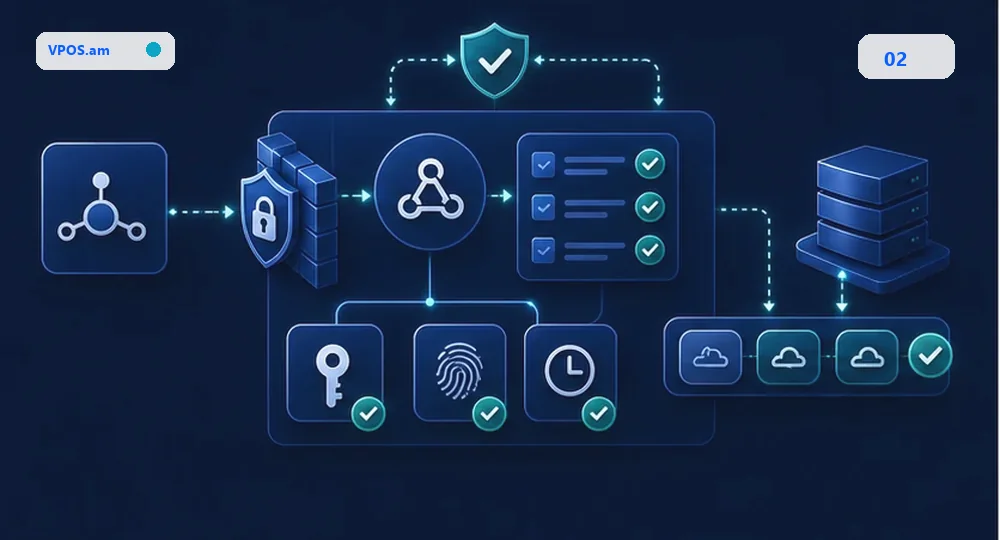
The website creates an order before payment and passes fixed amount, currency and identifier to backend. Server-side verification confirms the result; a customer-facing success page does not change business state by itself.
The test plan covers successful payment, cancellation, failure, pending, repeat delivery and a refund scenario. This exposes integration errors before real orders are at risk.
- Check HTTPS, production domain and legal-page availability.
- Do not expose secrets in frontend or URLs.
- Validate callback or webhook server-side.
- Document owner and SLA for payment exceptions.
After launch: operational readiness
After production launch, the team must be able to find an operation, explain a status and process a refund without losing history.
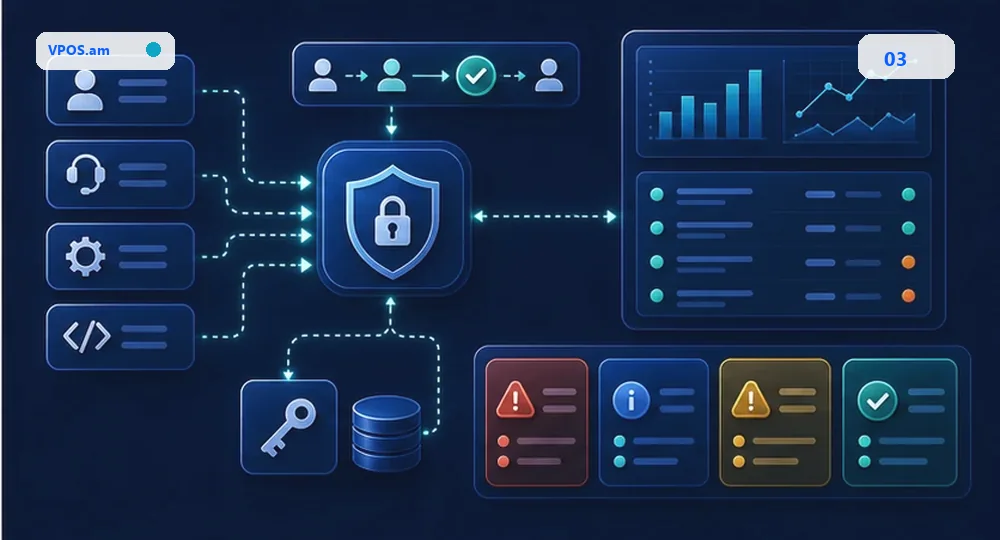
One successful test is not sufficient for launch. Support contacts, dispute procedures, payment-journal access and a provider-report reconciliation schedule are also required.
Website changes after launch need control as well. A new currency, service, delivery method or refund rule can change the payment flow and should be reviewed again.
- Assign owners for checkout, backend, support and accounting.
- Keep a journal of manual cancellations and refunds.
- Periodically check legal-page and locale links.
- Reconcile paid orders, refunds and provider report.
FAQ
Is an Armenian website version needed for vPOS?
Yes. Armenian must present the same material information about the product or service, prices, rules and contacts.
Can refund policy be omitted when an item is not returnable?
The applicable rule must be explicit: refund, cancellation or non-returnability. Without it, customers and support lack a clear process.
What counts as production readiness?
More than a successful TEST payment: verified legal pages, server-side state, error handling, refunds, support and reconciliation.
Sources and documentation
- VPOS.am API docsAPI and payment lifecycle contract
- Webhooks technical contractDelivery, signature and idempotency boundaries
- VPOS.am securityPublic security and access principles